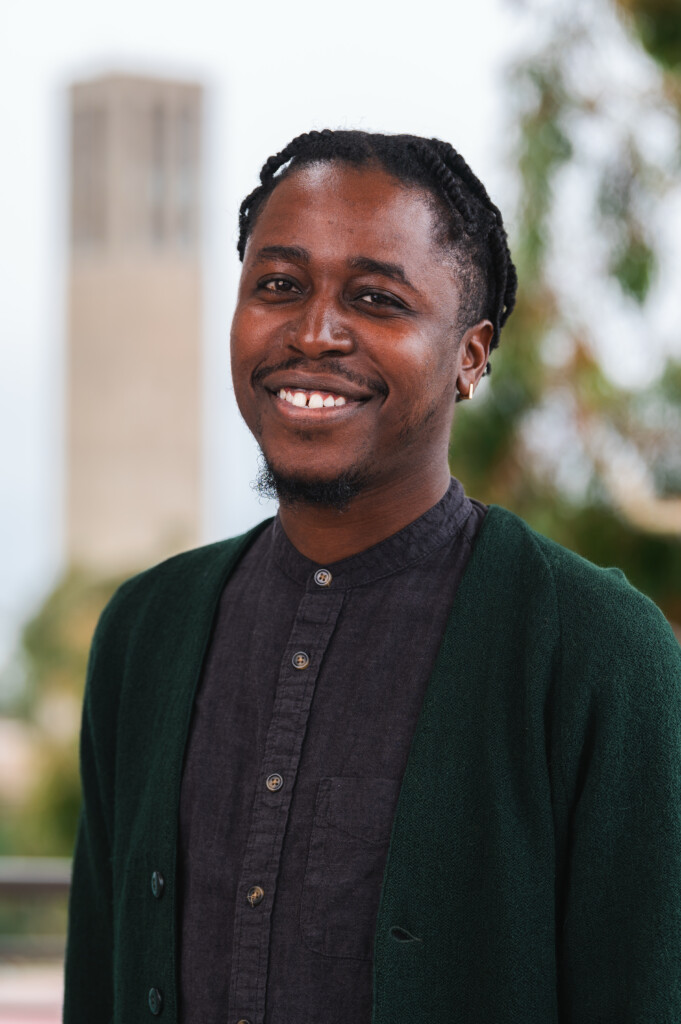
Shakir Stephen

SRA Headshots 2024

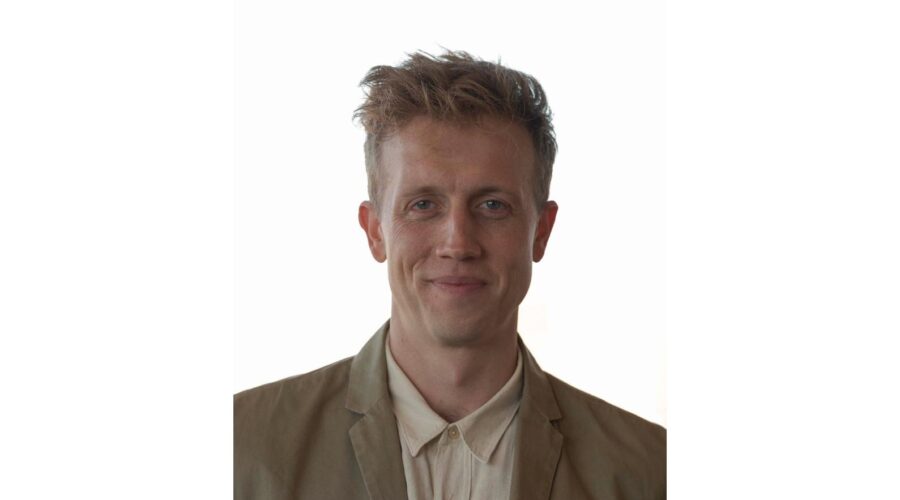
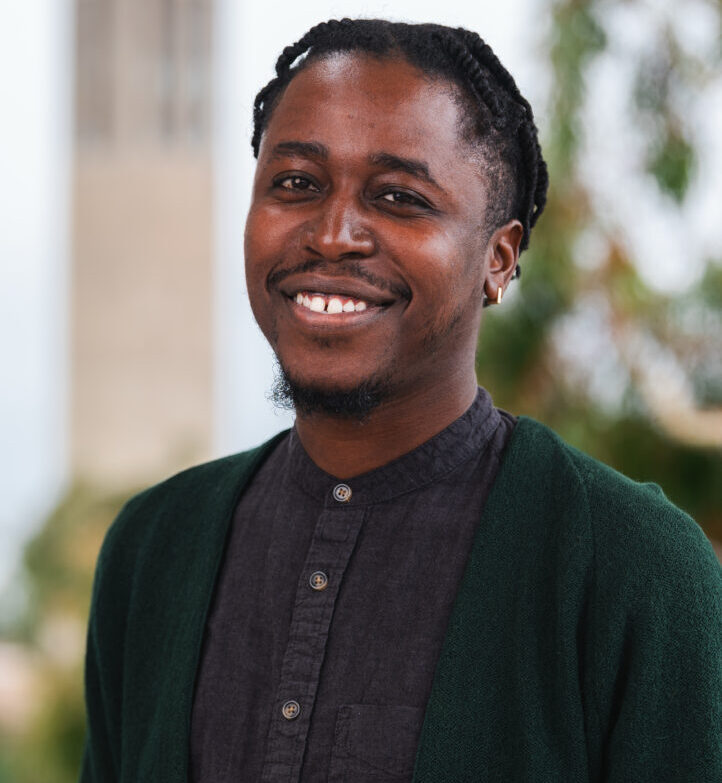
Shakir Stephen is a Ph.D. candidate in Religious Studies at the University of California, Santa Barbara.

His research focuses on secularism in the United States, examining how people in professional contexts distinguish between secular and religious values and manage the boundaries between them. His dissertation analyzes how Christians within professional organizations for scientists and artists define and interpret secular values, contributing to broader debates about what counts as “secular” in American public life. 

Stephen has co-authored research with Dr. Joseph Blankholm, Dr. Ryan Cragun, and Abraham Hawley Suárez based on the Secular Communities Survey (n = 12,370), the largest study to date of organized nonbelievers in the United States. Some of his current projects include a quantitative analysis of how nonreligious Americans relate to religion based on that dataset, and research on science curriculum in public education and its associated legal dynamics. At UC Santa Barbara, he has taught courses on religion and politics, capitalism in American culture, and American religious history. 
Areas of Expertise:

Religion in the United States, Secularity, Nonreligion, Religious Freedom, Religion & Science

Shakir Stephen

Lorem ipsum dolor sit amet, consectetur adipiscing elit. Ut elit tellus, luctus nec ullamcorper mattis, pulvinar dapibus leo.

Key Contributions

Meet Our Experts

Stay Informed with Our
Comprehensive Newsletter

Sign up for our newsletter to receive the latest insights, updates, and analysis on
secular voters directly in your inbox.

* indicates required

This essay argues that “atheist” and “agnostic” are not merely negative labels that indicate a person lacks belief in God or is not religious. Relying on a new survey of very secular Americans and the General Social Survey, we demonstrate a statistically significant and substantively meaningful relationship, in both predictive directions, between identifying as atheist or agnostic and holding certain beliefs about how best to know the world and what happens when we die. The authors argue that we can can reliably predict that most people in the United States who trust science, reason, and evidence and do not trust religious sources will identify as atheist or agnostic—and vice-versa. They find the same bi-directional relationship with belief in mortal finitude, i.e., that death is the final end. The findings suggest that exclusive empiricism and mortal finitude are positive tenets of belief systems that those who identify as atheist or agnostic are likely to hold. Read the full article here.

loading...

MAP