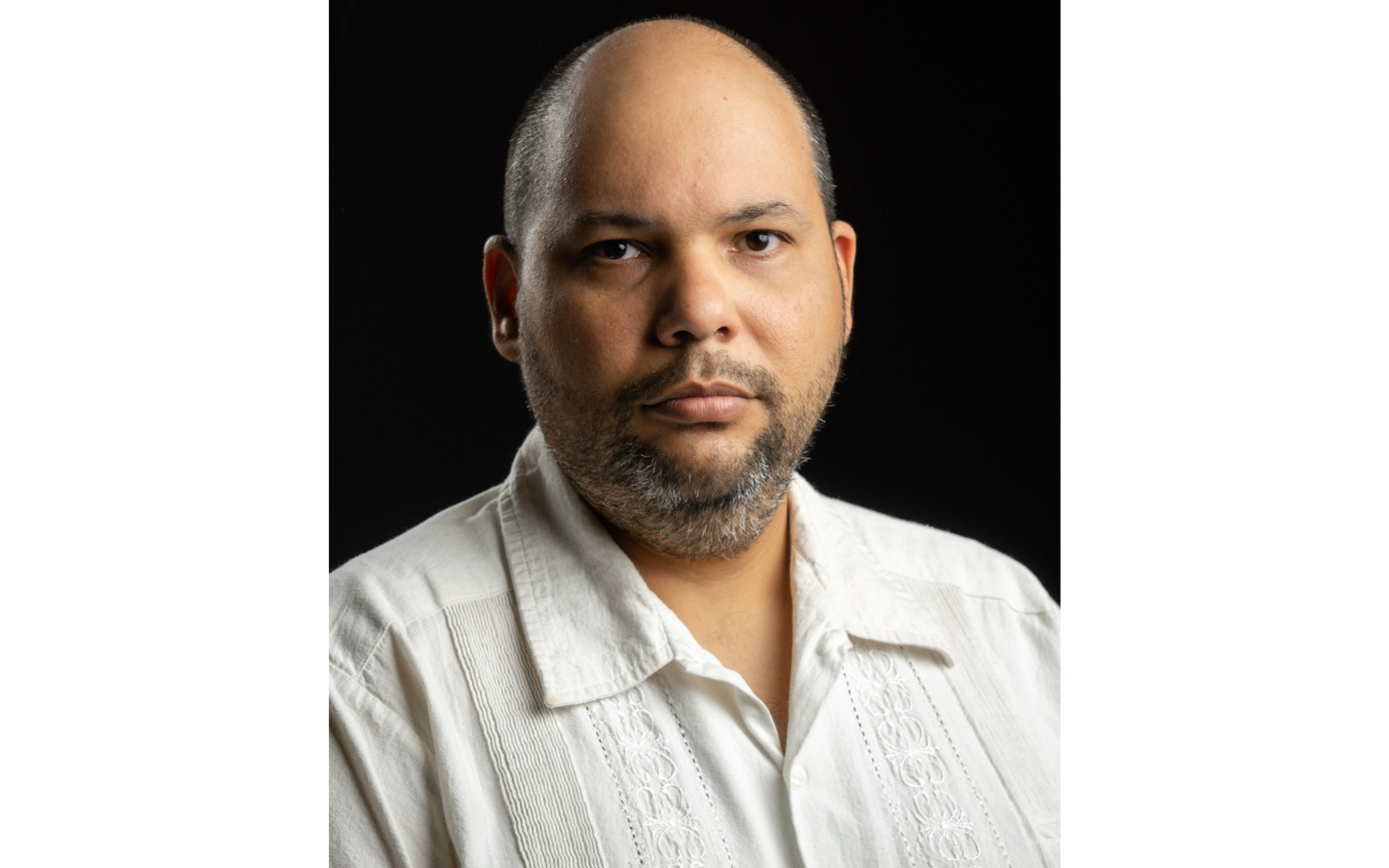
Dr. Juhem Navarro-Rivera

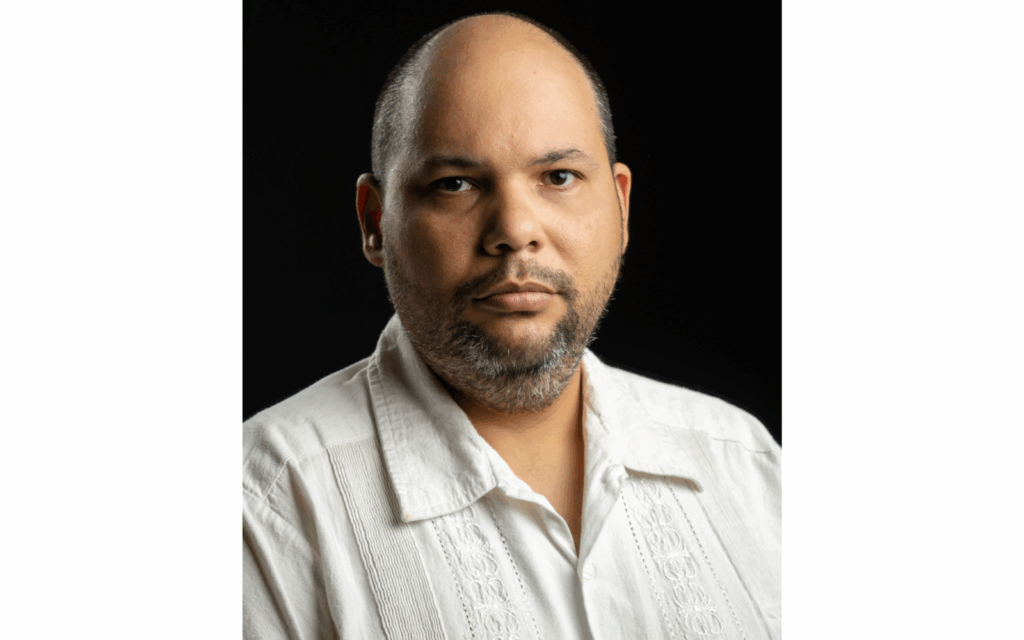
Dr. Juhem Navarro-Rivera is a leading expert in the demographics and politics of non-religious Americans. He is the managing partner at Socioanalítica Research, a research and analysis firm designing projects for Progressive nonprofits. Dr. Navarro-Rivera is the author of the Secular Politics Newsletter, where he explores the intersection of secularism and politics.

With a Ph.D. in political science from the University of Connecticut, Dr. Navarro-Rivera has made significant contributions to the field. He has been an integral member of several renowned research projects, including the 2008 American Religious Identification Survey, PRRI’s American Values Atlas, Socioanalitica Research’s Secular Voices Survey, American Atheist’s US Secular Survey, and UCSB’s Secular Communities Survey.

Dr. Navarro-Rivera’s expertise has garnered attention from national and international media, and he is frequently quoted as a trusted source on secularism for outlets such as The Washington Post, PBS, Diario de Noticias (Portugal), and Reforma (Mexico). For those interested in staying up-to-date on secular politics, his newsletter, Secular Politics, provides valuable insights and analysis. You can subscribe to his newsletter or follow him on Bluesky @juhemnr.

Areas of Expertise:

Race and Secularism, Secular representation, Secular voting behavior, Latino and Latin American Secularism

Dr. Juhem Navarro-Rivera

Lorem ipsum dolor sit amet, consectetur adipiscing elit. Ut elit tellus, luctus nec ullamcorper mattis, pulvinar dapibus leo.

Key Contributions

Meet Our Experts

Stay Informed with Our
Comprehensive Newsletter

Sign up for our newsletter to receive the latest insights, updates, and analysis on
secular voters directly in your inbox.

* indicates required
Much of the political research on secularism and politics is devoted to the nonreligious (also known as the “nones”) population. This “nonreligious” category is a sometimes catch-all grouping of people who have various identities that run across a range of possibilities: anti-religion, anti-god, anti-clerical, or even apathetic to religion. In their landmark report American Nones: The Profile of the No-Religion Population, Kosmin et al. analyzed the changes in religious affiliation among Americans between 1990 and 2008.1 Their research demonstrated that in just one generation the percentage of Americans claiming no particular religious affiliation nearly doubled. The researchers compared the results of two large nationally representative surveys: the 1990 National Survey of Religious Identification and the 2008 American Religious Identification Survey. The 1990 NSRI interviewed 100,000 US adults and found that less than one in ten (8 percent) or 14 million said they had no religious affiliation. The 2008 ARIS consisted of 54,000 interviews with US adults, by then the number of nonreligious increased to 34 million or 15 percent of the population. The growth of the group continues today. According to the American Values, a project of PRRI (formerly Public Religion Research Institute), 26 percent of American adults identify with no religion. 2 The growth of the “nones,” again, as the nonreligious are colloquially called, is what drives interest in the cohort. Research from the Pew Research Center and PRRI shows that the nones are very young, with a sizable portion of the group being under the age of 30.3 Aside from their youth, nones are also …
Public opinion research shows that young secular Americans have many areas of agreement on political issues that go beyond matters of church and state. In this chapter, I argue that the secular movement needs to focus on policies beyond church-state issues to become a salient political player in the United States. Instead, the movement must show concern for human suffering and propose ideas for improving people’s lives. This shift in focus may be possible thanks to the growth of secularism among young people, especially people of color and women, who show strong preferences for policy matters that go beyond the traditional secular concerns. The movement’s leadership must harness the energy of the current secular population boom to make itself relevant in American politics.
Secularity and nonreligion refer to categories of religious disaffiliation. Secularity means that individuals, as opposed to the state (secularism), are not religious, while nonreligious (or nones) is a term commonly used to refer to this cohort in the literature and the press (Kosmin and Keysar 2007). The nonreligious population is defined by its preference of religion in censuses and surveys. In their case, they state a preference for no particular religion (people who do not believe in God or doubt the existence of God, atheists and agnostics) are also included in this definition.
In this chapter we explore the racial diversification of the secular population in the United States and its effects on American politics. We define these “secular” people as people who have no religious identification, including those who consider themselves to be atheist, agnostic, or have no religion in particular. This group is also known as the “nones” or the “religiously unaffiliated.” The role of race in the growth of secularism in American society has been overlooked in the literature about secularism, which has focused on the role of young, mostly white, Americans defecting from religion. Secularism has also grown significantly among racial and ethnic minorities, particularly African Americans and Latino Americans.

loading...

MAP